Why a roadmap beats a single purchase event
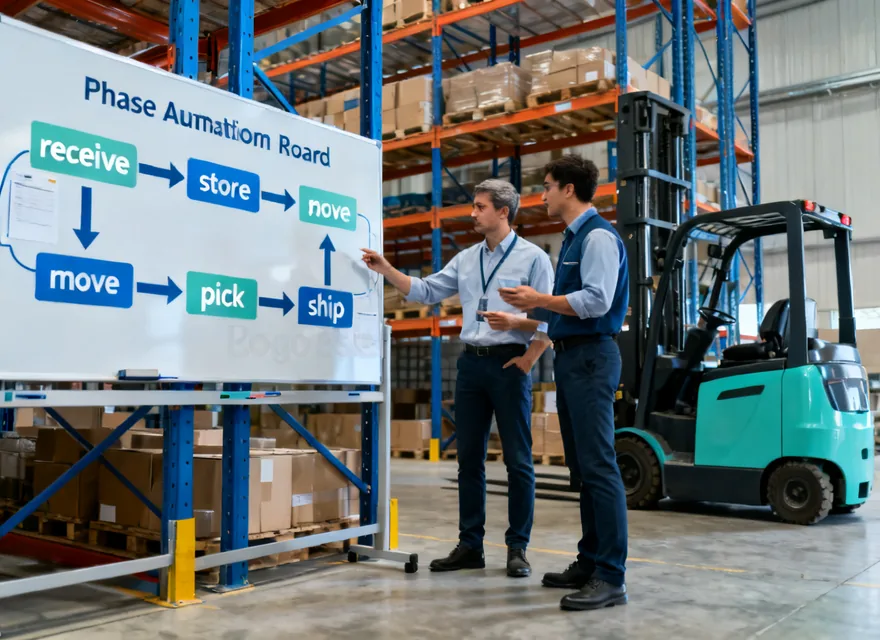
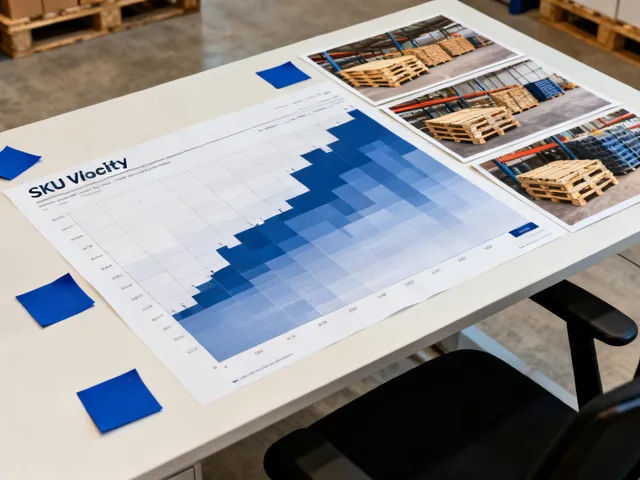
Warehouse automation fails quietly when SKU data, peak windows, buffering and exception recovery are missing from the first rate conversation. Cat Lift Trucks treats the roadmap as a series of decision gates: understand the flow, freeze the governing load cases, name interface owners, prove tasks in FAT/SAT, then release stages that protect live outbound waves.
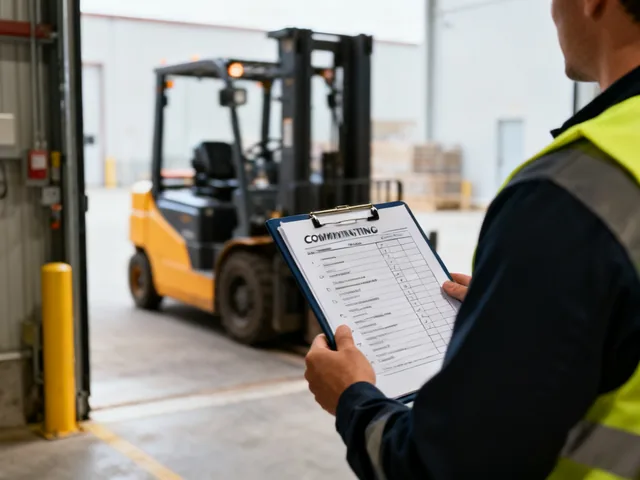
“Commissioning is not a celebration date. It is a set of measurable gates with fallback states.”
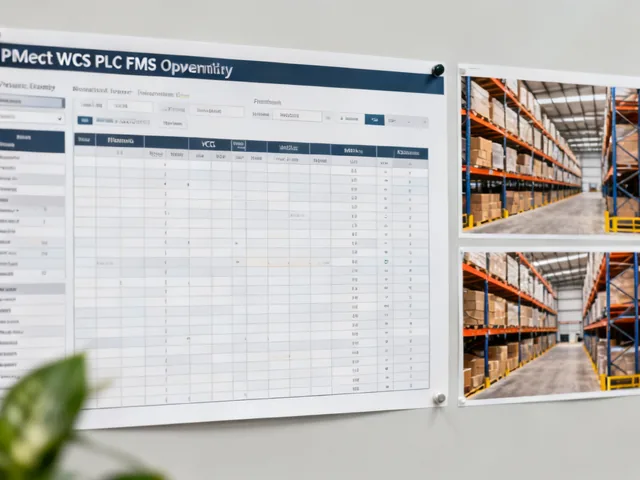
Industrial trucks remain central even when conveyors or AMRs appear later. Residual capacity, aisle geometry and traffic rules still decide whether a robot path is safe to share. The roadmap keeps those truck facts visible while WMS/WCS/PLC boundaries are documented, so no team inherits an unspoken assumption at go-live.
Limits we disclose before phase gates move
- Rated load in kg without a stated load center in mm and attachment envelope is not decision-ready.
- Throughput targets in order lines per hour that omit SKU mix, buffer occupancy and exception recovery stay labeled as drafts until those inputs exist.
- Shared AGV/AMR routes without a fleet management system, safety laser scanner fields and truck ownership matrix remain an open risk.
- Certificate logos appear only when issuer, scope and a current document exist for the exact configuration; ISO 3691-4 language applies only when driverless trucks are actually in scope.
- System availability percentages are meaningless until subsystem boundaries, mean time to repair targets and the measured peak window are written into the SAT package.